

Many people doing hands-on bindery work, will have fingers taped and wrapped in Band-Aids from January through March. We have seen boxes of band-aids strategically placed through the print shop to deal with the yearly epidemic of dry hands and cracked fingers, some even use masking or duct tape in a pinch!
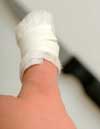 The cold, dry air and non-stop handling of paper conspires to torture bindery workers until spring arrives. If you’ve ever had a severe paper cut, you have a small idea of how painful cracked fingers can be. It usually isn't the paper cuts suffered by novices either, instead, veterans hands would gradually dry out and a bump, scratch or nick in the finger will expand into a painful crack that usually remains for weeks.
Bindery equipment can be extra harsh in the winter and provides plenty of opportunities for these minor injuries that in the summer months went largely unnoticed. In the winter months, you will see workers jogging paper or loading folders with maybe 6 or 7 good fingers. It isn’t pretty.
The causes for this condition are many and varied.
- Low humidity of cold winter air
- Frequent washing of hands (mechanics and nurses hands dry out due to frequent washing)
- Chemical exposure (plenty of that in the print industry)
- Medical conditions such eczema, dermatitis and psoriasis or fungal infections
- Exposure to any of dozens of irritants in both the print shop and household environment
It’s almost universally agreed that the dry air of winter causes the skin of your hands and fingers to lose the moisture they normally have in warmer months. One of the simplest preventive measures is to use a moisturizing cream or an ointment such as petroleum jelly. Most doctors or therapists recommend moisturizing frequently, several times a day and certainly after every hand washing.
Once the cracks develop however, it’s wise to check with your doctor if they don’t heal in several days. The problem can linger for months and if there is an underlying medical reason for the symptom, you’ll need the right treatment to ensure healing. You can actually do more harm than good if you use the wrong ointment or cream. For instance, Audrey Junin, MD of DermaDoctor.com recommends using Polysporin antibiotic ointment as one step in the process of healing cracked fingers. She cautions that using any ointment that contains neomycin, "which is a notorious skin sensitizer and cause of contact dermatitis," will worsen your plight. Or if you do indeed have an infection, all the moisturizing cream in the world isn’t going to heal it.
One “urban legend” type remedy is to use super glue to seal a split finger. (No, we are not making this up.) The story goes that medics on the battlefield discovered its usefulness in treating wounds. Yes, the story has some truth; it will indeed seal the cut closed and can provide temporary relief. But according to doctors it won’t heal the cut and there is a risk of getting allergic contact dermatitis, which only makes the condition worse. While the bindery department or pressroom often seems like a battlefield, it’s not! Should you glue all your fingers together, or glue yourself to your folding machine and the paramedics have to be called, don’t say we didn’t warn you.
There are plenty of moisturizing treatments out there to help with prevention. Doctors recommend studying them to see what works for you, and try to avoid fragrances and lots of synthetic compounds. Gloves in a Bottle is a moisturizing and 'shielding' lotion popular with dermatologists and the medical profession. There are hundreds more available. You don’t have to suffer if you do some homework and check with your doctor.
If you’ve noticed a lot more crying coming from your bindery equipment and press operators in these winter months, check their fingers. Maybe a bottle of intensive care moisturizing lotion will calm things down!